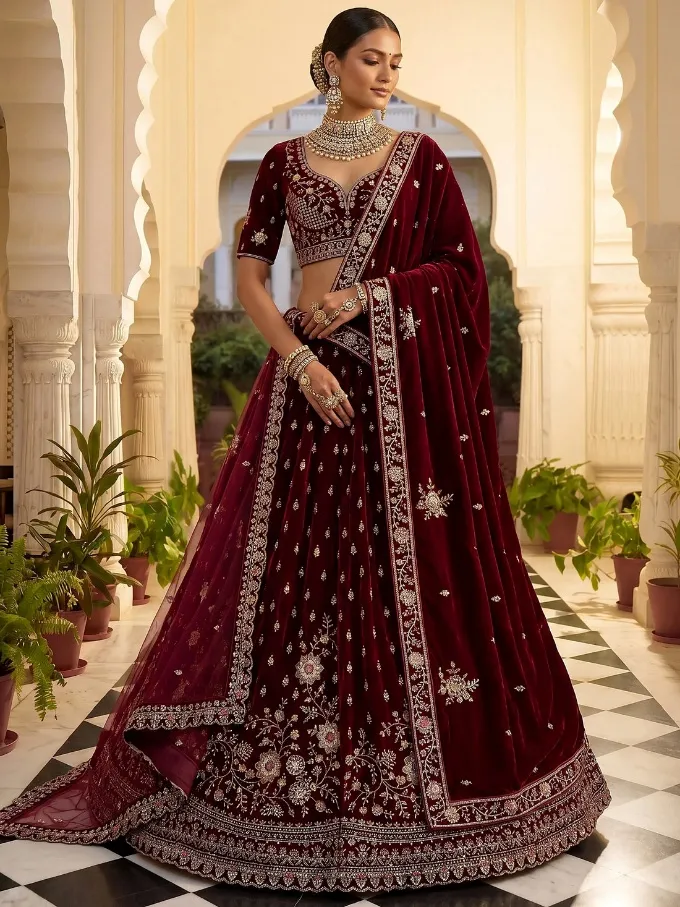
Wedding outfits carry a special charm when colour, craft, and comfort come together. A maroon bridal lehenga does just that with its rich tone and festive feel. Maroon looks warm under soft lights and stands out well in wedding photos. It also pairs nicely with gold, antique work, and soft stone details. For brides who love classic Indian style but still want a fresh look, this shade offers plenty of room to play. The right fabric, blouse cut, and small details can make the whole outfit feel personal, graceful, and easy to wear.
Why Maroon Works For Brides
Maroon has a deep, warm look that suits the mood of a wedding. It feels rich without looking too bright. The shade also works well with many skin tones and can be styled in both old and new ways. Gold thread gives it a royal touch, while silver details create a softer look. Brides can choose velvet, silk, georgette, or brocade based on the season and style. A simple blouse can keep the outfit neat, while a detailed blouse can make the whole set feel grand. Small choices often change the final look.
Mirror Work Adds A Sparkle
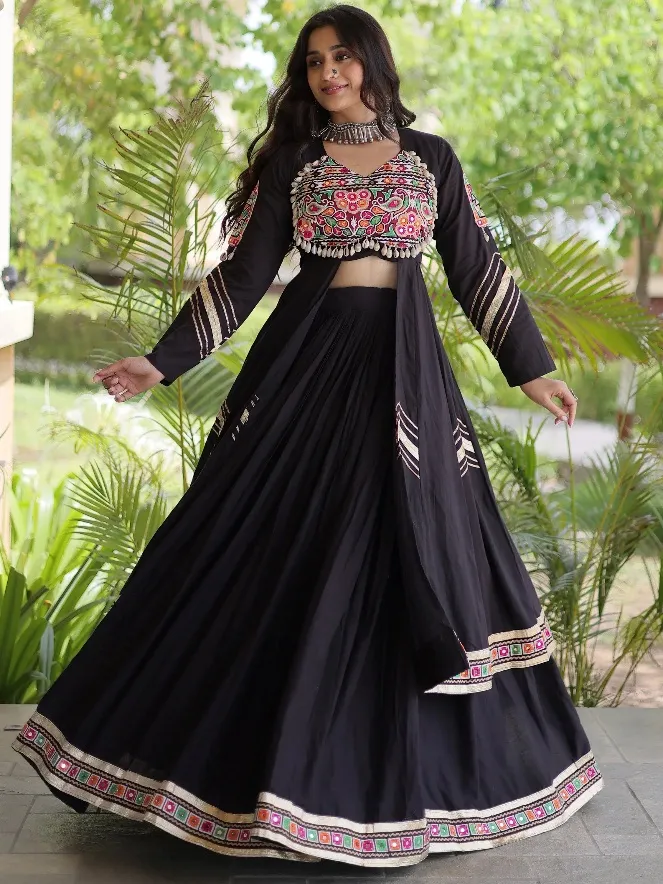
Mirror work brings light to a bridal outfit in a very natural way. Small mirrors catch light when the bride moves, dances, or turns during the wedding. A lehenga choli mirror work design can be bold or light, depending on the number and size of mirrors used. Fine mirror details on the blouse, skirt, or dupatta can create a balanced finish. Brides who prefer a softer look can choose small mirror motifs with thread work. Those who love festive shine can pick larger patterns with rich embroidery around each mirror.
Choosing The Right Blouse Design
The blouse can change the full shape of a lehenga. A fitted blouse with a round neck gives a clean and classic look. A deep neckline can feel more modern, while a high neck adds a refined touch. Sleeves also matter. Full sleeves work well for winter weddings, and short sleeves suit warm weather. Maroon looks striking with gold borders, pearl details, or small stones. A blouse with mirror work can match the skirt, but it does not need to copy it. Mixing plain areas with detailed parts often keeps the outfit from looking too heavy.
Picking Fabrics For Comfort
A bridal lehenga should look beautiful, but comfort matters too. Weddings can last for many hours, and heavy fabric may feel tiring after some time. Velvet gives a rich look and works well for winter events. Silk has a smooth fall and suits classic bridal styles. Georgette feels lighter and moves well during walking and dancing. Net can add soft layers to the skirt or dupatta. Brides should also check the inner lining before buying. A soft lining can make a big difference, especially when the outfit has embroidery, mirrors, or other raised details.
Balancing Heavy And Light Details
A bridal outfit does not need heavy work on every inch. In fact, some plain space can make detailed areas stand out more. A maroon skirt with rich work can be paired with a simpler blouse. Another option is a detailed blouse with a lighter skirt. The dupatta can then bring both parts together through a matching border or small motifs. This balance also helps the outfit feel easier to carry. Jewellery should follow the same idea. When the lehenga already has strong mirror work, a few clear jewellery pieces may be enough.
Matching Jewellery And Accessories
Jewellery can bring the whole bridal look together. Gold jewellery gives maroon a warm and traditional feel, while kundan and polki pieces add a rich finish. Pearls can soften the look when the outfit has strong embroidery. For a mirror work lehenga, brides can choose earrings, a necklace, bangles, and a maang tikka with simple shapes. Footwear should also be practical because wedding functions involve plenty of standing and walking. A potli bag can add charm without taking attention away from the outfit. Even small accessories should match the overall colour and craft.
Styling The Dupatta with Care
The dupatta is more than an extra layer. It can change how the whole bridal outfit looks. One dupatta can be placed over the shoulder, while another can be worn over the head for a more traditional style. A maroon dupatta with a gold border looks rich and classic. For a lighter finish, brides can choose a sheer fabric with small motifs. Mirror details can also appear along the edge without covering the full fabric. The best drape is one that stays secure and still allows easy movement during rituals, photos, and family celebrations.
Conclusion
A maroon bridal lehenga can bring colour, depth, and tradition into one beautiful wedding look. Mirror work adds movement and shine, while the right fabric keeps the outfit comfortable for long events. Good styling is often about balance rather than adding more detail. A well-cut blouse, neat dupatta, simple jewellery, and thoughtful embroidery can make a strong difference. Brides can also mix classic craft with modern cuts to create a look that feels like their own. For anyone exploring bridal fashion, the domain can offer more ideas for choosing a style that feels special on the big day.