Powder products need careful handling during packing. Some move with ease while others stick to machine parts or form hard lumps. Even a small change in the fill amount can affect the final pack. This can lead to waste and poor results. A good filling setup helps keep each pack close to the set weight. It also makes daily work less tiring for staff. When the process runs well, there is less need for manual checks and repeat work. This gives the whole production line a better start.
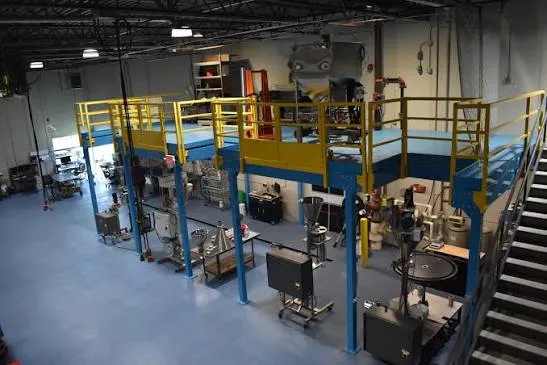
Precision At Every Stage
A busy plant needs equipment that can handle long runs without losing control. Modern powder filling machines help place dry products into bags and containers with steady accuracy. They can be used for flour and spices as well as protein blends and other fine goods. Each product has its own flow and weight. The machine must suit these needs. A well-matched system helps limit spills and keeps the fill amount more even. It also helps staff manage large orders with less manual effort and fewer delays.
Match Equipment To Products
The type of powder plays a key role when choosing a filling system. Fine goods may need a different setup from coarse or free-flowing products. Pack size and fill weight also matter. Dry Fillers can help place set amounts of dry goods into packs with less manual work. This makes them useful for many food and industrial tasks. The right choice can help reduce product loss and keep the filling process on track. It is best to review the product before selecting a machine for daily use.
A Cleaner Production Space
Dust can become a real issue when dry goods move through a packing line. Fine powder may spread across nearby surfaces and make cleaning harder. Some products can also stick to parts of the equipment. A smart machine design can help staff reach key areas with ease. This makes routine cleaning less of a task. Clean equipment also helps protect product quality during each run. For food makers, this is vital. A tidy work area can support safe handling and help the team keep the line ready for the next batch.
Keep The Line Moving
A filling machine must work well with the other parts of the packing line. Product feeding and container handling need to stay in sync. Sealing and weight checks also play a key role. When each step works as planned, the whole process becomes easier to manage. Staff can spot issues before they grow into bigger problems. This can cut downtime and reduce the need to repack goods. A setup built around daily needs can also support higher demand as the business grows.
Conclusion
Reliable filling plays a key role in product quality and daily output. The right equipment helps reduce waste and keeps each pack close to its target weight. It also makes work easier for staff and helps the line run with fewer stops. Before choosing a system, it is wise to review the product type and pack size. A good setup can support steady results and long-term production needs.