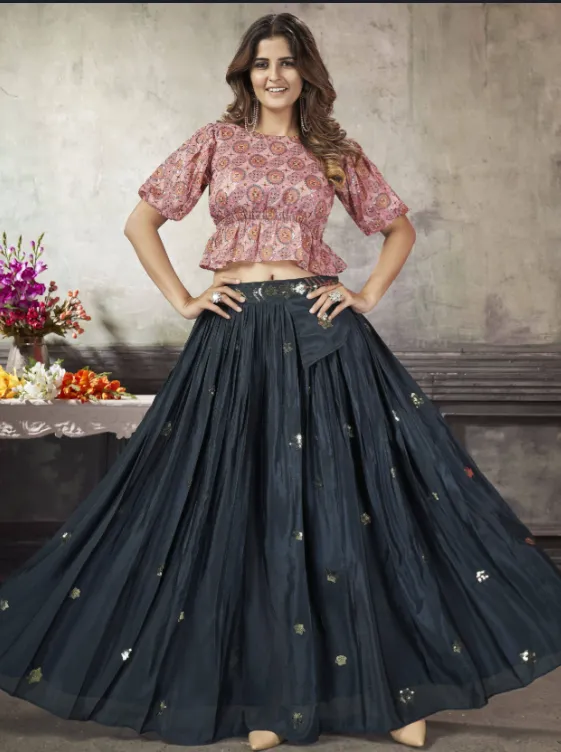
A naming ceremony often begins with a small invitation and turns into an afternoon of photographs, family introductions and food. Choosing a Ready to wear lehenga choli can make preparation simpler when you have little time for fittings. White is one possible festive colour, particularly when lively embroidery gives it warmth. Still, families have different clothing traditions, so check the host’s preferences before deciding. Once the colour is settled, focus on an outfit that feels natural when you sit, stand and greet relatives.
Check the Family Colour Preferences
White carries different meanings across Indian families and regional traditions. Some welcome it at joyful gatherings, while others prefer guests to avoid it for particular rituals. A friendly message to the host can settle the matter without creating a lengthy dress-code discussion. If white is welcome, ask whether the ceremony will take place indoors, in a courtyard or at a temple. Those details influence footwear, hem length and draping. You can then concentrate on the celebratory details rather than second-guessing your choice after arriving.
Give White One Colour Accent
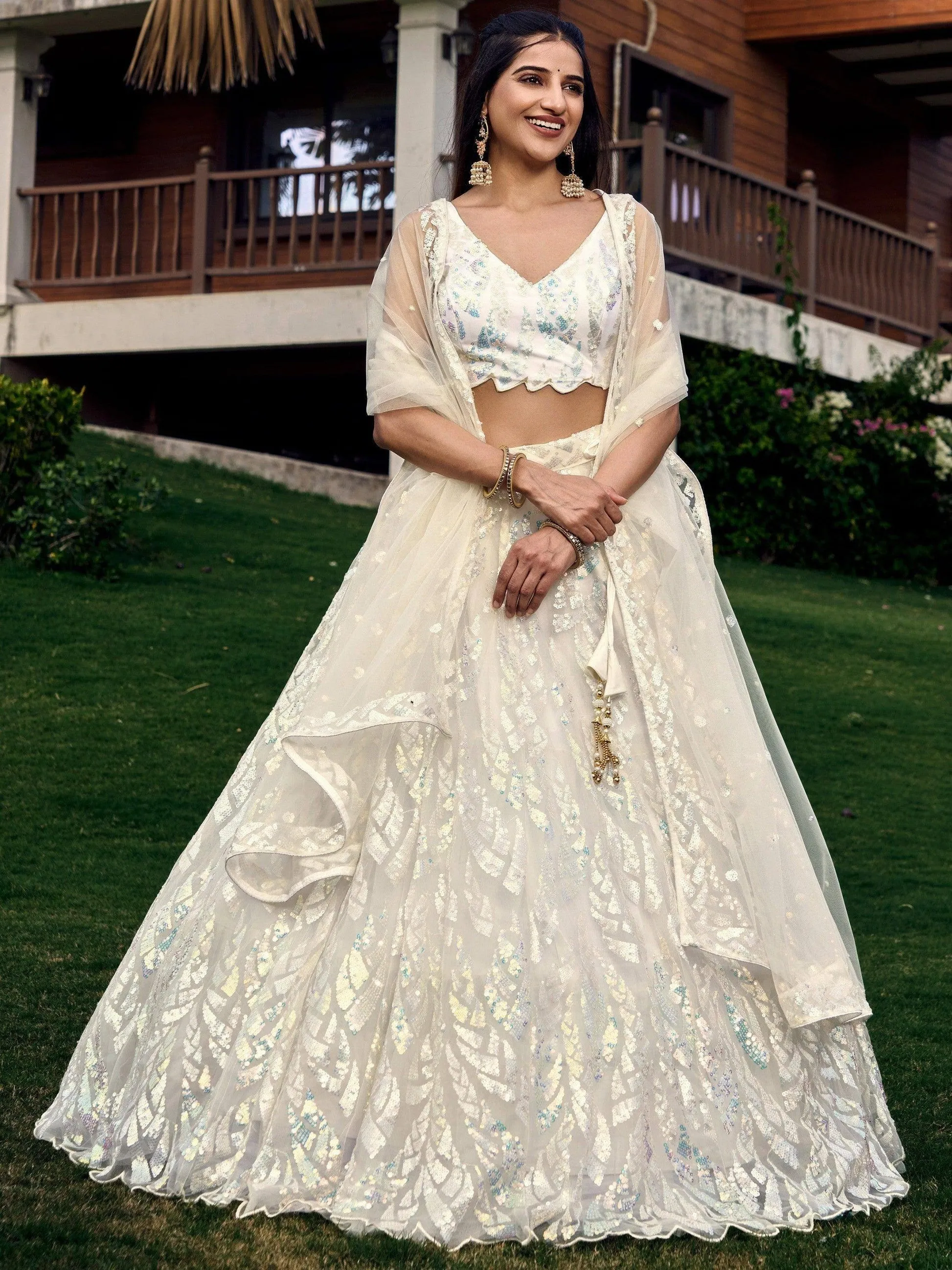
A White Lehenga Choli need not depend on heavy jewellery for festive character. One listed Roman silk design combines a white skirt with lotus motifs, gota detailing and a maroon border; the matching maroon blouse carries colourful Gamthi embroidery. Another variation uses a yellow border and blouse instead. Both show how a single contrasting colour can lift a pale skirt without overwhelming its details. Choose earrings that echo one thread in the embroidery rather than trying to repeat every shade across your accessories.
Check Finished Garment Details
Ready-to-wear is a useful label, but it does not mean every style will fit identically. Read the selected product’s size chart, including blouse measurements, skirt length and fastenings. A white Roman silk design, for example, specifies a cotton inner layer and a six-metre skirt flare, making its construction important even when the colour looks simple. If the outfit includes a drawstring waist, try tying it at the height where you naturally wear your skirt. Check the return conditions before ordering a standard stitched size.
Keep Decoration Away From Hands
At a naming celebration, you may be near the baby during photographs or family greetings. Loose tassels, sharp jewellery edges and decorative hooks deserve attention, especially if someone invites you to hold the child. Choose smooth earrings and keep dangling accessories out of reach rather than assuming elaborate jewellery is necessary. The dupatta matters too: settle its loose end over your shoulder instead of letting it swing forward. You can retain the outfit’s festive personality without having embellishments interfere with a brief family moment.
Prepare for Sitting and Moving
Depending on the household, guests may sit on chairs, cushions or the floor. Try the complete outfit in each position that is likely, particularly if the skirt has a structured underlayer. A generous flare can look lovely in a standing photograph yet require a moment to gather beside your legs. Keep the blouse comfortable when leaning forward and check that the waistband does not press when seated. Before leaving, make a short practical check of the pieces you plan to wear throughout the gathering.
-
Choose smooth jewellery.
-
Secure the dupatta end.
-
Check skirt length.
-
Wear easy footwear.
-
Carry a clean handkerchief.
Make the Outfit Easy to Rewear
A white base offers plenty of possibilities after the naming celebration. The maroon embroidered blouse from a contrasting set could later accompany a plain skirt, while a bright dupatta can bring colour to a simple kurta. That works best with secure fastenings and manageable embellishments. Keep any spare trims and care instructions together after the event. If you choose the outfit with a second occasion in mind, the first wearing becomes the beginning of its usefulness rather than its only appearance.
Conclusion
An intimate celebration is remembered through the conversations around it, not just the group photograph. When choosing your outfit, respect the family’s colour preferences, test the fit and give the decorative details a little thought. Then leave the final decisions alone. You may spend most of the afternoon sitting beside an aunt who has stories to tell or helping someone find a seat. Clothes that stay comfortable through those ordinary moments let you enjoy the occasion without turning every movement into a wardrobe adjustment.