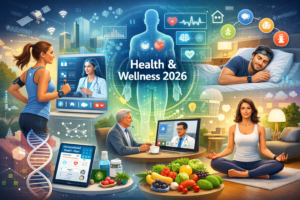
Health and wellness are evolving rapidly as technology, lifestyle awareness, and medical innovations reshape how people care for their bodies and minds. In 2026, the focus is shifting from treating illness to preventing it through smart technologies, personalized healthcare, and holistic wellness practices. Digital health tools, wearable devices, and data-driven medical insights are enabling individuals to monitor their health more effectively and make better lifestyle decisions.
Healthcare systems are also becoming more accessible through remote services and telemedicine, allowing people to receive professional medical support from their homes. At the same time, consumers are paying greater attention to mental well-being, nutrition, and preventive healthcare strategies. These developments are transforming healthcare from a reactive system into a proactive and personalized wellness ecosystem.
Below are some of the most important health trends in 2026 that are improving modern wellness and shaping the future of healthcare.
Table of Contents
ToggleAI-Powered Health Monitoring
Artificial intelligence has become one of the most influential technologies in modern healthcare. AI-powered health monitoring systems analyze large amounts of medical data from wearable devices, health apps, and digital health records to provide personalized health insights. These systems help track important health indicators such as heart rate, sleep patterns, physical activity, and stress levels.
With advanced algorithms, AI tools can detect potential health risks before noticeable symptoms appear. This allows individuals to take preventive action early and avoid serious health problems. Smart wearable devices and digital health platforms now function like personal health assistants that suggest improvements in lifestyle habits. As AI continues to evolve, it will become even more effective in predicting diseases and helping doctors provide better medical care.
Telemedicine and Remote Healthcare Services
Telemedicine has become an essential part of modern healthcare and continues to expand in 2026. Through virtual consultations, patients can communicate with doctors, discuss symptoms, and receive medical advice without physically visiting a hospital or clinic. This system saves time, reduces travel costs, and improves access to healthcare services.
Remote healthcare services also include digital prescriptions, online patient records, and remote monitoring tools that allow doctors to track patient health from a distance. Medical professionals can analyze data from connected devices and provide timely guidance when necessary. This technology is particularly helpful for elderly patients and people living in remote areas where healthcare facilities are limited.
Personalized and Data-Driven Healthcare
Personalized healthcare is becoming increasingly important as medical professionals recognize that every individual has unique health needs. Instead of applying the same treatment to everyone, healthcare providers now use personal health data, genetic information, and lifestyle factors to design customized treatment plans.
Data collected from wearable devices, medical tests, and health apps allows doctors to better understand each patient’s condition. This information helps them recommend specific treatments, lifestyle changes, and preventive measures tailored to the individual. Personalized healthcare improves treatment effectiveness and reduces the chances of unnecessary medical procedures.
Growth of Wearable Health Technology
Wearable technology has become one of the fastest-growing areas in the wellness industry. Devices such as smartwatches, fitness trackers, and health monitoring bands help users track their daily activities and health metrics. These devices can measure steps, heart rate, sleep patterns, calories burned, and even blood oxygen levels.
The data collected from wearable devices provides valuable insights into a person’s overall health and fitness progress. Many healthcare professionals also use this information to monitor patients remotely and detect early warning signs of health problems. Wearable technology encourages people to stay active and maintain healthier habits in their daily lives.
Holistic Wellness and Mental Health Awareness
Modern health trends emphasize the importance of treating the body and mind together. Holistic wellness focuses on maintaining balance between physical health, emotional well-being, and mental stability. Practices such as meditation, yoga, mindfulness exercises, and relaxation techniques are becoming more common in daily routines.
Mental health awareness has also increased significantly in recent years. More people are seeking professional support, therapy sessions, and stress-management programs to maintain emotional balance. Digital mental health applications are also helping individuals track mood patterns and practice self-care techniques. This approach recognizes that good mental health is essential for overall wellness.
Nutrition, Gut Health, and Preventive Wellness
Nutrition remains a key factor in maintaining good health, and modern wellness trends are placing greater importance on diet and gut health. Scientific studies have shown that the gut microbiome plays a major role in digestion, immune function, and even mental health.
As a result, many people are focusing on diets that support digestive health, including foods rich in fiber, probiotics, and natural nutrients. Preventive nutrition strategies such as balanced diets, proper hydration, and functional foods are becoming part of everyday wellness routines. By improving nutrition habits, individuals can reduce the risk of chronic diseases and improve long-term health outcomes.
Smart Wellness Environments
Another emerging trend in modern wellness is the creation of environments designed to support physical and mental health. Homes, offices, and public spaces are increasingly incorporating features that promote well-being. These include improved air quality systems, natural lighting, sound control, and ergonomic furniture.
Smart home technologies are also playing a role in wellness by monitoring indoor air quality, adjusting lighting automatically, and creating comfortable living conditions. These environments help reduce stress, improve sleep quality, and encourage healthier daily routines. The idea behind wellness-focused environments is that healthy surroundings can significantly influence overall quality of life.
Conclusion
Health trends in 2026 highlight a strong shift toward preventive and technology-driven healthcare. Innovations such as AI-powered health monitoring, wearable technology, telemedicine, and personalized medicine are transforming how individuals manage their health and wellness.
At the same time, holistic wellness practices, mental health awareness, and improved nutrition are encouraging people to adopt healthier lifestyles. The integration of advanced technology with traditional health practices is creating a more balanced approach to healthcare.
As these trends continue to evolve, the future of wellness will focus on empowering individuals to take control of their health through knowledge, technology, and preventive care. This modern approach not only improves personal well-being but also helps build healthier communities and a better quality of life for people around the world.