Apple appears to be preparing for its next big leap in consumer technology by developing a new line of AI-powered wearables designed to work closely with the iPhone. According to reports from Bloomberg’s Mark Gurman, the Cupertino-based company is accelerating efforts to build hardware products that function as the “eyes and ears” of the iPhone. These include a pair of smart glasses, a Humane-like AI pendant, and next-generation AirPods equipped with artificial intelligence capabilities.
Apple has historically taken a cautious approach to new product categories, often entering markets after competitors have tested early demand. However, recent developments suggest the company is now ready to push into emerging AI-powered hardware segments more aggressively.
AI at the Core of Apple’s New Wearables
The upcoming wearables are expected to revolve around an upgraded version of Siri, Apple’s digital assistant. With Siri set to receive significant AI enhancements in the coming months, the new devices will reportedly leverage visual context to perform actions and respond more intelligently to user needs.
Unlike standalone AI gadgets from other brands, Apple’s strategy appears to center on deep integration with the iPhone. The devices will function as accessories rather than independent computing platforms. This approach aligns with Apple’s ecosystem philosophy, where hardware products work seamlessly together to deliver a unified user experience.
Reports suggest that the AirPods and AI pendant will feature low-resolution cameras. These cameras are not intended for high-quality photography but rather to help Siri interpret surroundings and contextual information. In contrast, the smart glasses are said to feature a more advanced and feature-rich camera system, positioning them as a premium offering within Apple’s wearable lineup.
Smart Glasses to Rival Meta’s Offerings
Apple’s rumored smart glasses are expected to compete directly with products from Meta, particularly its Ray-Ban and Oakley smart glasses. Meta’s glasses have gained popularity for combining stylish frames with integrated microphones, speakers, and cameras, allowing users to capture photos, record videos, and interact with AI assistants.
Apple’s version, reportedly code-named N50, is already being tested internally, with prototypes distributed to employees within its hardware engineering division. The company is said to be targeting a public launch sometime next year.
Unlike augmented reality headsets, these glasses are not expected to include a display. Instead, they will rely on microphones, speakers, and cameras to deliver functionality—similar to Meta’s current models. However, Apple may differentiate itself through premium materials, enhanced camera quality, and possibly the inclusion of two separate camera sensors: one dedicated to computer vision tasks and another for photos and video recording.
If successful, the glasses could become a powerful AI interface that captures real-world context and feeds it to Siri for real-time assistance.
The AI Pendant: An iPhone Companion
In addition to glasses, Apple is reportedly developing a wearable pendant reminiscent of the Humane AI Pin. However, Apple’s approach differs significantly. Rather than functioning as a standalone device, the pendant will serve as an accessory to the iPhone.
Some Apple employees have informally referred to it as the “eyes and ears” of the phone. The pendant will likely use its camera and microphones to gather contextual information, helping Siri respond more intelligently. By offloading processing to the iPhone, Apple may avoid some of the performance and battery limitations that standalone AI devices face.
The device is also expected to incorporate AI-powered features such as live translation, a function introduced previously in Apple’s software ecosystem. With AI integration, such features could become more accurate and responsive in real time.
Next-Generation AirPods with AI
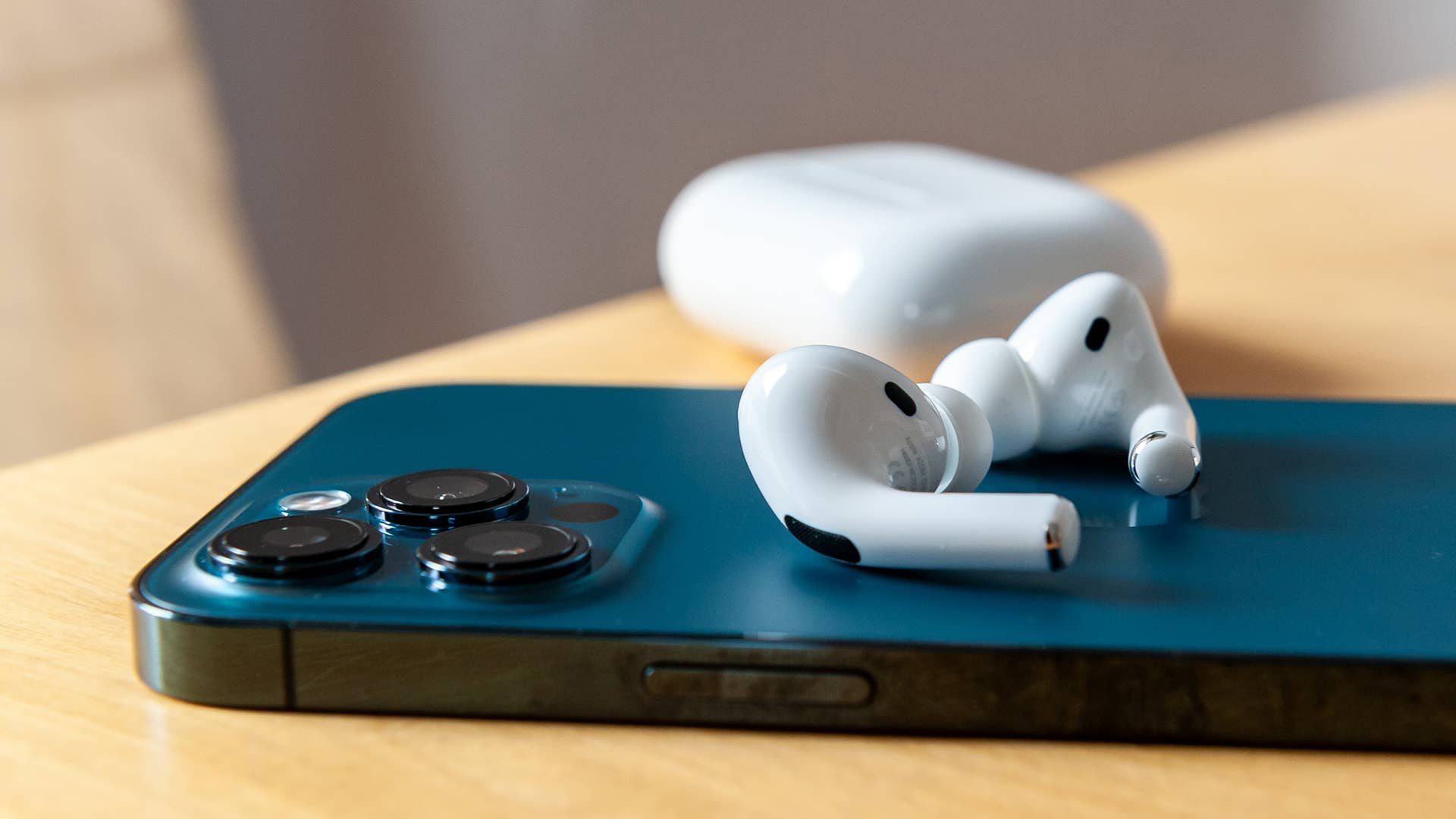
Apple’s popular AirPods are also set for an AI upgrade. The next-generation models may include low-resolution cameras, not for photography, but to assist Siri in understanding the user’s environment. This could enable more contextual commands, smarter notifications, and potentially spatial awareness features that go beyond current capabilities.
The concept reflects Apple’s broader ambition to embed AI across its hardware portfolio rather than limit it to software updates. By integrating visual intelligence into wearables, the company aims to enhance everyday interactions without requiring users to constantly look at their screens.
Siri’s AI Transformation
A major part of this strategy revolves around Siri’s transformation into a more advanced AI assistant. Reports suggest that Apple is considering launching a significantly upgraded version of Siri alongside iOS 27, which is expected to debut with the iPhone 18 series next October.
The new AI-powered Siri may reportedly leverage Google’s Gemini large language model to deliver more conversational, chatbot-like interactions. If implemented, this would mark a significant shift in Apple’s AI approach, potentially bringing Siri closer to the capabilities of generative AI platforms currently dominating the market.
By embedding this smarter Siri into glasses, pendants, and AirPods, Apple could create a seamless AI layer that operates continuously in the background, offering proactive suggestions and contextual assistance.
Tim Cook Signals New AI Categories
During a recent all-hands meeting, Apple CEO Tim Cook reportedly told employees that the company would push into new AI-powered product categories and that it is “extremely excited” about these developments. His comments reinforce the idea that Apple sees AI hardware not as a side experiment but as a central pillar of its future roadmap.
Apple has already demonstrated its commitment to immersive technology with devices like the Apple Vision Pro, but these upcoming wearables appear to target a broader audience. Lightweight, fashion-friendly, and deeply integrated with the iPhone, they could appeal to mainstream users looking for smarter everyday tools.
A Strategic Ecosystem Move
If Apple successfully launches these AI-driven wearables, it would mark a significant expansion of its ecosystem strategy. Rather than replacing the smartphone, the company seems focused on enhancing it with intelligent companions that extend its capabilities into the physical world.
By positioning these devices as accessories rather than standalone platforms, Apple can leverage the iPhone’s processing power while maintaining tight control over hardware and software integration. This approach may help avoid some of the pitfalls faced by independent AI gadgets that struggle with battery life, overheating, or limited functionality.
While official announcements are still awaited, the direction is clear: Apple is preparing to blend artificial intelligence with wearable design in a way that feels natural and deeply connected to its flagship product. If executed effectively, these “eyes and ears” devices could redefine how users interact with AI in their daily lives.
Read More: digisoftron.com