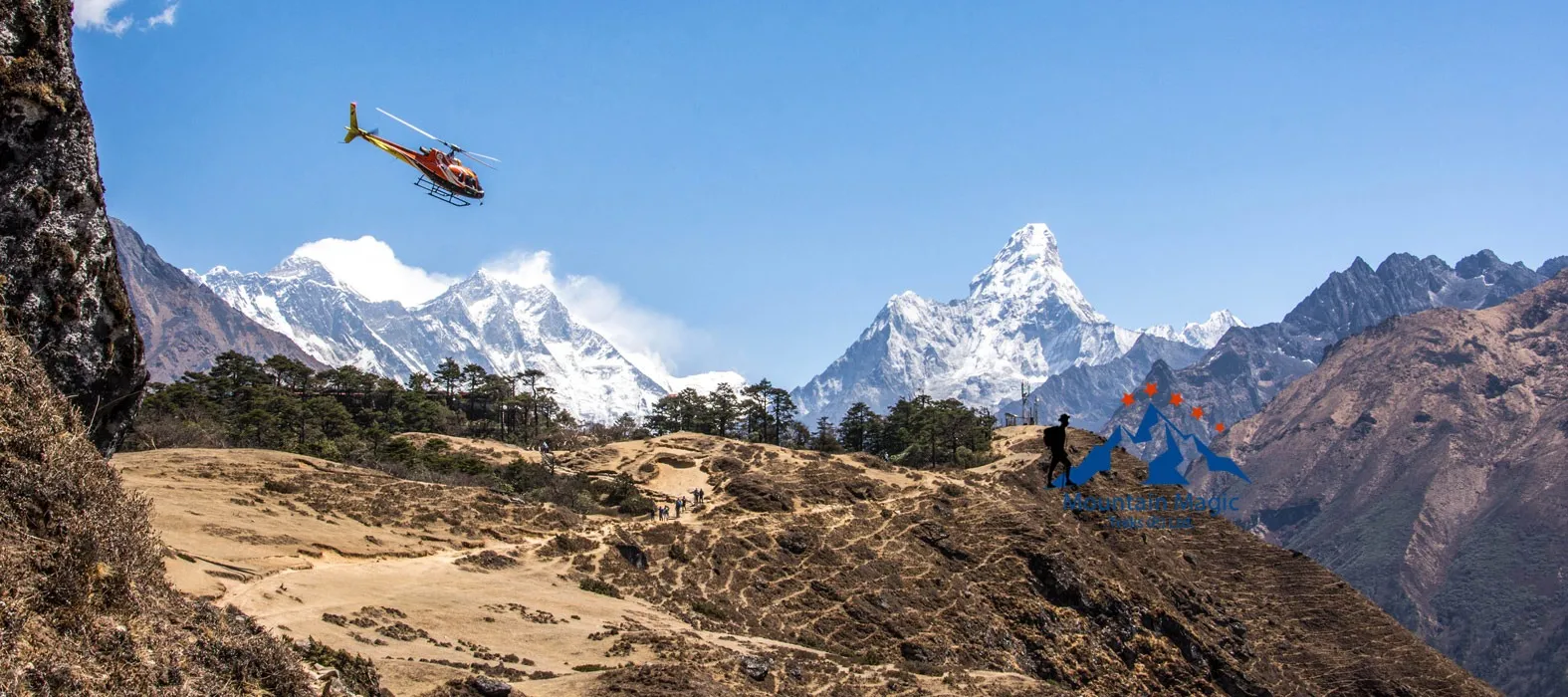
Kathmandu is the starting point for the mountain journey to Everest Base Camp. Before reaching the Khumbu region, travelers arrive in Nepal’s capital city, complete important travel arrangements, and prepare for the helicopter journey to Lukla. This first stage helps organize the services needed for the trekking days ahead.
The Everest Base Camp Trek with Helicopter Return package offered by Mountain Magic Treks includes airport transfers and hotel accommodation in Kathmandu. These services give travelers a place to settle in before beginning the mountain section of the itinerary.
Arriving at Tribhuvan International Airport
Most international visitors arrive in Nepal through Tribhuvan International Airport in Kathmandu. After landing, travelers complete the required immigration and baggage procedures before leaving the terminal.
Airport Pickup Arrangements
Mountain Magic Treks includes airport transfers in its standard package. A company representative or assigned driver can help coordinate transportation from the airport to the hotel.
Travelers should provide their correct flight details before arrival. Sharing the airline, flight number, and landing time helps the company plan the pickup more accurately.
If a flight is delayed or changed, informing the company is important so the transfer arrangements can be updated.
Documents to Keep Accessible
Keep important travel documents in a small personal bag rather than placing everything in checked luggage.
Useful documents include:
-
Passport and Nepal visa documents.
-
International flight information.
-
Trek booking confirmation.
-
Travel insurance details.
-
Emergency contact information.
Having these items available makes arrival procedures and hotel check-in easier.
Hotel Accommodation Before the Trek
Kathmandu provides a different environment from the mountain settlements. Hotels offer facilities that may be limited or unavailable during the trekking section.
Mountain Magic Treks lists two nights in a five-star Kathmandu hotel as part of its standard package. Travelers should confirm their booking details and accommodation arrangements with the company before departure.
What Travelers Can Do at the Hotel
After an international flight, travelers may need time to rest and organize their belongings.
The hotel stay provides an opportunity to:
-
Recover from the journey.
-
Arrange trekking clothes and equipment.
-
Charge electronic devices.
-
Check important documents.
-
Confirm communication with the trekking company.
A comfortable starting point can make the transition from city travel to mountain transportation easier.
Understanding the Difference Between City and Mountain Accommodation
Kathmandu hotels and mountain teahouses provide different levels of comfort. A city hotel generally offers more facilities, while teahouses along the Everest route provide simpler accommodation.
Travelers should understand this difference before booking the Everest Base Camp Trek with Helicopter Return. The hotel stay in Kathmandu does not mean the same room standards will be available throughout the mountain journey.
Preparing for the Trekking Briefing
Before the mountain journey begins, travelers should review the itinerary and confirm the main arrangements with their trekking company.
A pre-trek briefing is a useful opportunity to understand the route, transportation plan, accommodation, and responsibilities during the trip.
Confirming the Route
The planned route includes Kathmandu, Lukla, Phakding, Namche Bazaar, Tengboche, Dingboche, Lobuche, and Gorakshep.
The itinerary also includes visits to Everest Base Camp and Kala Patthar before the helicopter return to Kathmandu.
Knowing the sequence of destinations helps travelers understand where they will walk and where they will stay overnight.
Reviewing Included Services
The Mountain Magic Treks package describes several services, including:
-
Airport transfers.
-
Mountain teahouse accommodation.
-
Guide and porter support.
-
Required trekking permits.
-
Meals during the trekking portion.
-
Helicopter transportation between Kathmandu and Lukla and from Gorakshep to Kathmandu.
Travelers should review their selected package because services can differ between standard and luxury options.
Checking Trekking Equipment in Kathmandu
Kathmandu is a practical place to check personal equipment before entering the mountain region. Travelers can inspect their clothing, footwear, and essential accessories while shops and other services are readily available.
Essential Clothing and Footwear
The trek reaches high elevations where temperatures can become very cold. Suitable clothing should include warm layers, a waterproof jacket, trekking trousers, gloves, and comfortable socks.
Strong, well-fitted trekking boots are also important. Shoes should be tested before the trip to reduce the chance of blisters during long walking sections.
Personal Equipment
A few useful items should remain accessible throughout the journey:
-
Sunglasses and sunscreen.
-
Reusable water bottle.
-
Headlamp with spare batteries.
-
Personal medication.
-
Toiletries and hand sanitizer.
-
Power bank and charging cables.
The trekking company may provide a duffel bag and other selected equipment according to the package details. Travelers should confirm what is supplied so they do not carry unnecessary duplicates.
Understanding the Helicopter Transportation Plan
Helicopter transportation is a major part of this package. The planned journey begins with a helicopter transfer from Kathmandu to Lukla, where the walking section starts.
After reaching the Gorakshep area and completing the high-altitude route, the return plan includes a helicopter flight to Kathmandu.
The Kathmandu to Lukla Flight
The flight connects the capital city with the starting point of the trekking route. It reduces the need for a long overland journey to reach the Everest region.
Travelers should follow the company’s instructions about reporting time, baggage arrangements, and departure coordination.
Weather and Flight Conditions
Mountain helicopter operations depend on visibility, wind, and other flying conditions. Delays or schedule changes can happen when conditions are unsuitable.
A planned flight should not be treated as an unconditional guarantee of departure at an exact time. Travelers should also keep suitable flexibility in their wider Nepal travel schedule.
Why the Kathmandu Stage Matters
The Kathmandu portion is an important part of the Everest Base Camp Trek with Helicopter Return because it connects international arrival arrangements with the mountain itinerary.
Airport pickup, hotel accommodation, document checks, and transportation coordination all contribute to an organized start.
It is also the right time to ask the trekking company about any unclear package details. Confirming responsibilities before departure can prevent misunderstandings during the trip.
Final Thoughts
Kathmandu is more than a starting location for the Everest journey. It is where travelers complete their initial arrangements, settle into their accommodation, check their equipment, and prepare for the helicopter transfer to Lukla.
The Everest Base Camp Trek with Helicopter Return package from Mountain Magic Treks includes services designed to connect the arrival stage with the mountain itinerary. Reviewing these arrangements before traveling helps set clear expectations for the days ahead.
Frequently Asked Questions
1. Which airport do international travelers use to reach Kathmandu?
Most international travelers arrive at Tribhuvan International Airport in Kathmandu.
2. Does the package include airport transfers?
Yes. Mountain Magic Treks lists airport transfers among the services included in its standard package.
3. How many Kathmandu hotel nights are included in the standard package?
The standard package lists two nights in a five-star Kathmandu hotel. Travelers should confirm the exact dates and room arrangements with the company.
4. Does the package include trekking permits?
Yes. Required trekking permits are listed among the included services in the standard package.
5. Can helicopter flights be delayed?
Yes. Weather, visibility, and other operational conditions can affect helicopter schedules in the Everest region.