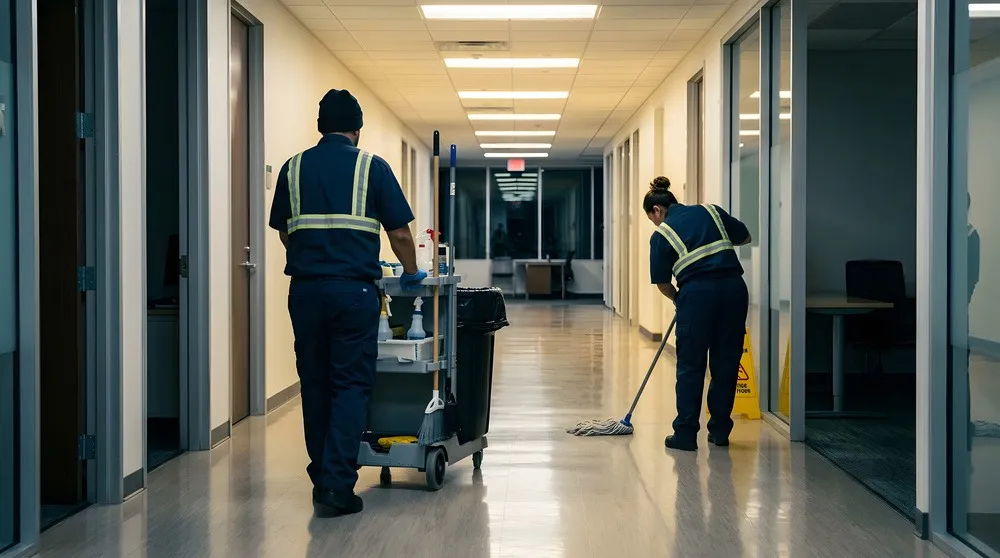
You just mopped. The floor dried. And now your shoes make that little peeling sound every time you take a step, like the surface is holding a grudge against you. Makes no sense. You cleaned it. So why does it feel grosser than it did an hour ago? The answer usually comes down to a few small slip-ups, and the good part is they’re all easy to fix. Here’s what’s actually happening down there.
Too Much Soap in the Bucket
Start here, because this is the usual suspect. Folks assume a big glug of cleaner means a cleaner floor. Sounds right. It isn’t. All the extra soap has to go somewhere. So when the water disappears, it leaves behind a thin, sticky coating. That coating catches every bit of dust floating around. Instead of a shiny floor, you end up with a dull, sticky mess. Honestly, less is more. Pour in way less than feels right and you’ll be closer to the mark.
Dirty Water Making Things Worse
Lots of people trip over this one without noticing. You fill the bucket, mop a chunk of the office, then keep dipping the same mop into water that’s gone gray and cloudy. Somewhere in there you stopped cleaning. Now you’re just smearing yesterday’s dirt into a thin new layer. Dump the water the moment it looks murky. A large office? You might refill four or five times before you’re through. Yeah, it’s a pain. But fresh water is basically the entire reason mopping works.
Skipping the Rinse
Tons of floors never see a rinse. Soapy water goes down, the job gets called finished, everybody moves on. The soap dries sticky overnight, and tomorrow the whole thing starts over again. One quick pass with plain water solves it. The clear water lifts the leftover cleaner off the surface so there’s nothing left behind to turn gummy. Same logic as washing a plate. You rinse the suds off before you call it clean, right?
The Wrong Cleaner for the Floor
Floors are picky. A product designed for use with tile can cause a hazy residue on vinyl. What may work perfectly well on one type of material will work completely differently when used on another and will create a residue that can be felt underfoot. You should not ignore the label on the bottle. Select the cleaning product suited for your specific floor and be sure to read the instructions carefully. More specifically where it tells you how to mix it with water.
When It’s Time to Call in Help
Even when you obey all the rules, the floor can still cause problems. Stubborn buildup from old wax, tough dirt, or a damaged finish can result in a sticky mess that mopping can’t resolve. That’s the time a pro crew makes all the difference. Seasoned Boston office cleaning services such as All Pro Cleaning Systems can strip away the old buildup and reset a floor so it dries smooth and clean every single time. They come equipped with the right machines, the right products, and the skill to understand what a surface wants. That know-how takes a floor you’ve been cursing at and turns it back into one you actually like crossing.
Conclusion
Sticky floors don’t have to be a curse. Most of the time, they can be traced back to too much detergent or dirty water. Or not rinsing or using the wrong things in the bucket. Crack the first four, and those sticky floors will disappear in no time. Don’t use too much cleaner. Do a lot of water changes. Do a lot of rinsing. And make sure your cleaner is appropriate for your floor type.